
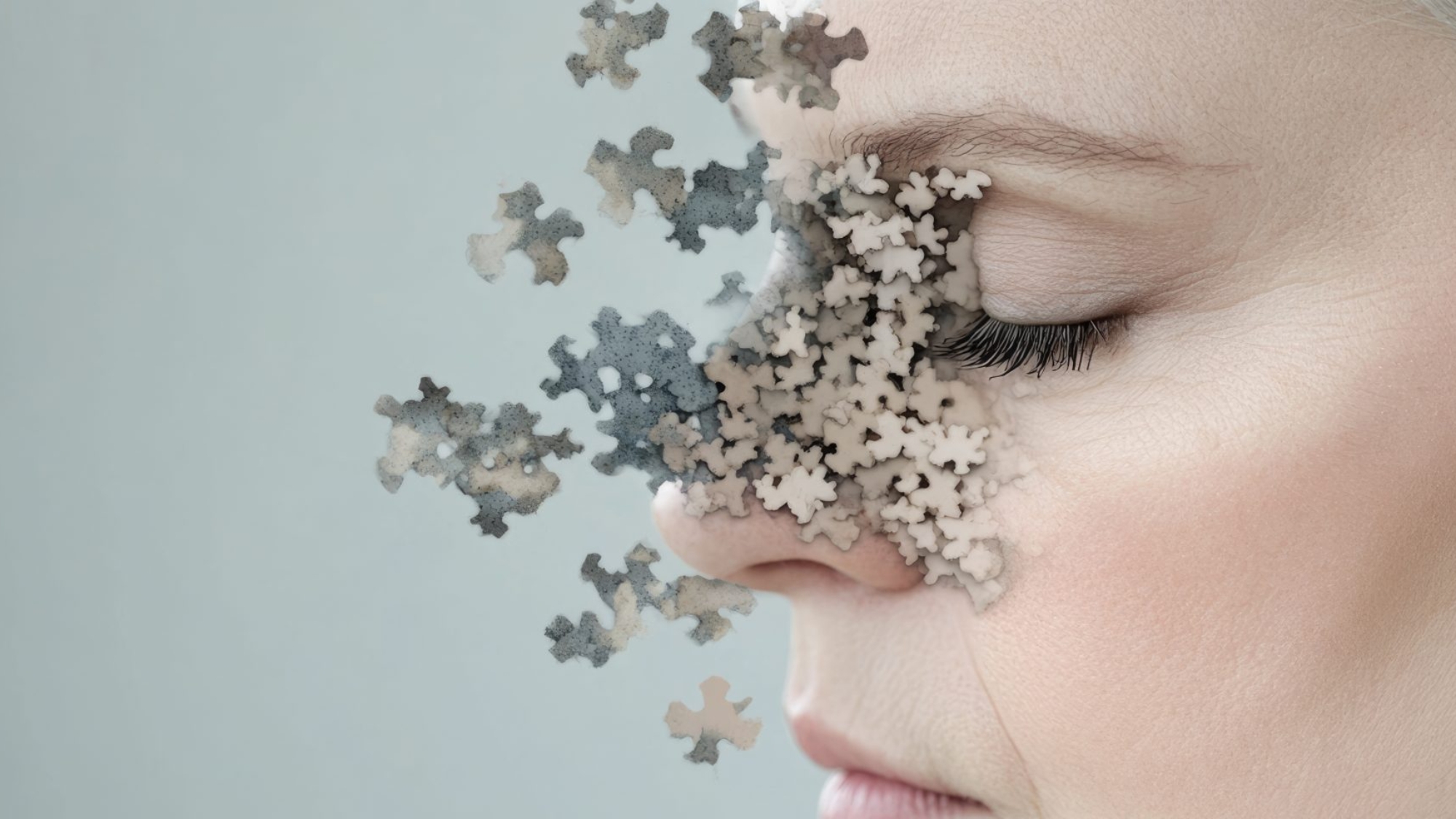
Stress: Healthy vs. Unhealthy Ways to Cope
Stress is an unavoidable part of modern life. From the moment our alarm buzzes in the morning to the late-night scroll through notifications, our minds are constantly juggling tasks, decisions, and expectations. In small doses, stress can be helpful—it sharpens focus, motivates us to meet deadlines, and even boosts performance in challenging situations. But when stress becomes chronic, overwhelming, or unmanageable, it can take a toll on every aspect of our lives—our health, relationships, productivity, and overall sense of peace.
Stress isn’t always obvious. It can sneak in quietly as fatigue, irritability, forgetfulness, poor sleep, headaches, or emotional numbness. Many of us only realize we’re stressed when it begins disrupting our daily functioning. That’s why learning to cope with stress effectively is essential. How we respond determines whether stress becomes a force for growth or a source of harm.
Unhealthy Ways to Cope
When pressure mounts, our instincts often push us toward quick fixes or avoidance strategies. These may offer short-term relief, but they rarely address the root cause—and can even worsen stress over time.
- Emotional Eating or Skipping Meals
Stress can disrupt eating habits. Some seek comfort in sugary or carb-heavy foods; others lose their appetite. Both extremes affect energy, digestion, and concentration, creating a cycle of physical discomfort and guilt. - Substance Use
Turning to alcohol, smoking, or drugs may seem like a temporary escape, but these habits impair the brain’s ability to manage stress and can lead to dependency, emotional instability, or long-term health issues. - Procrastination and Avoidance
Putting off tasks or avoiding responsibilities might feel like relief, but it only increases anxiety. Delays often lead to missed opportunities, underperformance, and guilt. - Excessive Screen Time
Hours spent doomscrolling, binge-watching, or gaming may temporarily distract you, but overuse disrupts sleep, heightens anxiety, and isolates you from real-life support systems. - Withdrawing from Others
Avoiding friends, family, or colleagues may feel protective, but over time it cuts off essential support and deepens feelings of loneliness and helplessness.
Healthy Ways to Cope
While there’s no one-size-fits-all solution, healthy coping strategies nourish both mind and body. Here are some practical, therapist-recommended ways to manage stress:
- Mindfulness and Grounding Techniques
Deep breathing, meditation, and progressive muscle relaxation activate the parasympathetic nervous system, helping regulate emotions. Even five minutes a day can make a difference.
Try this: Inhale for 4 counts, hold for 4, exhale for 6. Repeat for 2 minutes to calm your nervous system.
- Structured Routine and Sleep Hygiene
Predictability reduces uncertainty and mental fatigue. Maintain regular sleep schedules and limit caffeine and screens before bedtime. - Regular Physical Activity
Exercise is a natural stress-reliever. Walking, yoga, dancing, or any movement that excites you releases endorphins, boosting mood and reducing anxiety. - Journaling and Expressive Writing
Writing helps process emotions and identify triggers. Try pairing reflections on challenges with a gratitude list to reframe your perspective. - Reach Out for Support
Sharing your feelings is not a sign of weakness—it’s a sign of self-awareness. Friends, mentors, or therapists can offer guidance, perspective, and emotional relief. Mental health assessments, like those at Samvedna Care, can provide personalized insights. - Set Boundaries and Learn to Say No
Prioritize your time and energy. Overcommitting may feel noble, but it often leads to burnout. - Engage in Creative or Meaningful Activities
Hobbies like painting, gardening, music, cooking, or crafting anchor you in the present and provide a safe outlet for emotions.
The Role of Mental Health Assessment
Sometimes stress feels unsolvable. A mental health assessment can reveal whether your stress is situational, linked to deeper emotional patterns, or part of a more complex psychological issue. These assessments create a roadmap for therapy or counseling and empower you with practical strategies for long-term well-being.
At Samvedna Care, professional assessments examine emotional, cognitive, and behavioral patterns to provide clarity on triggers and actionable coping techniques tailored to your life.
Take Stress Seriously—Manage It Wisely
Stress doesn’t always shout. Sometimes it quietly builds, disrupting your thoughts, emotions, and daily functioning. While you can’t control every stressor, you can control how you respond.
The goal isn’t to eliminate stress, but to respond to it effectively—through lifestyle adjustments, support networks, healthy habits, and professional guidance. With the right tools, resilience grows, and stress becomes manageable rather than overwhelming.
A mental health assessment might just be the first step toward understanding your stress and reclaiming your well-being.